

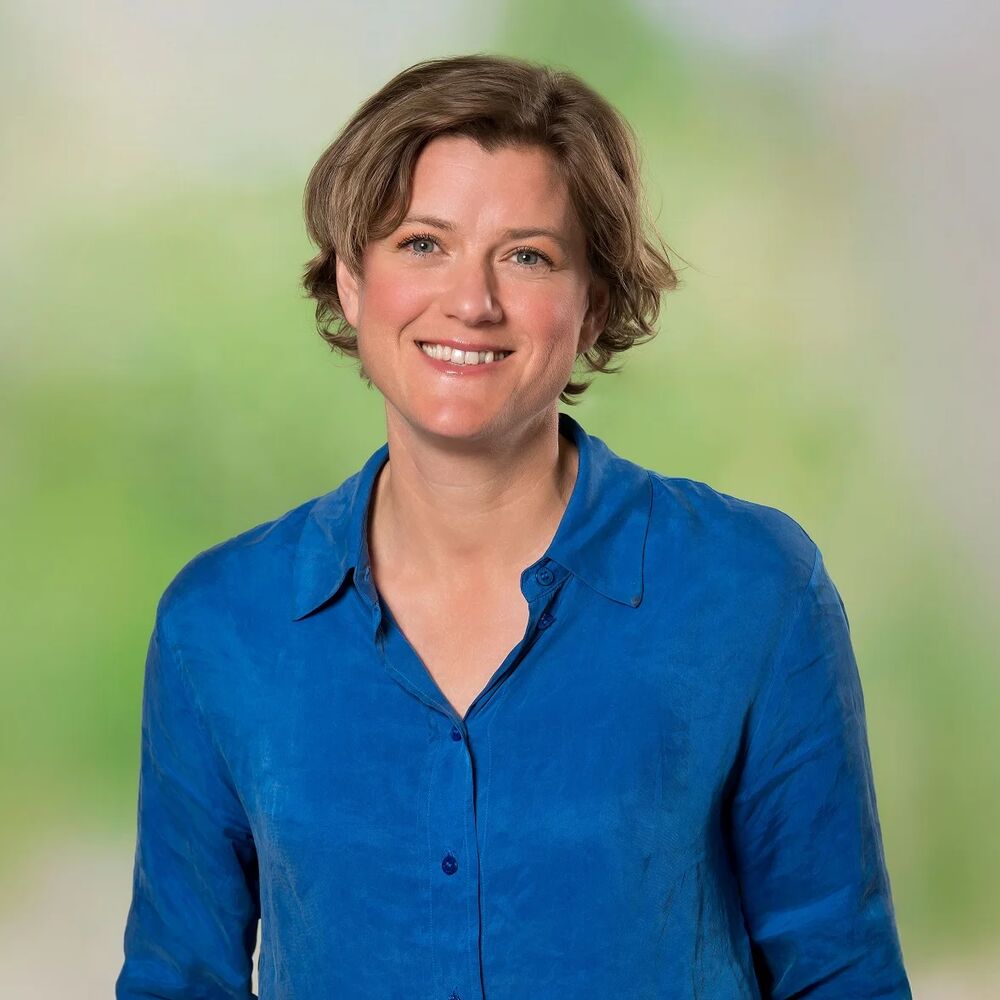
Dr. Femke Geijsel has been an associate professor of transformative educational leadership since 2022. Her research activities focus on school development, policy implementation and impact within schools, vision development, strategic innovation, leadership in learning, and management in educational organizations.

|
Menu

Executive Master of Management in Education
The impact of changes in education
Start date
November 9, 2026, Campus Utrecht
April 12, 2027, Campus Utrecht
Duration
18 months
Language
Dutch
Costs
€ 37500
Degree
Master of Science (MSc)
Modular
Accreditations
- AACSB
- NVAO
- EQUIS
Fulltime / Parttime
Parttime
Introduction
The education sector faces complex challenges. Developments in society, politics, and technology are not only transforming education itself but also reshaping how schools and educational organizations are led, governed, and developed. As an education manager or supervisor, you constantly navigate the space between professional autonomy, policy frameworks, and societal expectations. This calls for sharp judgment, strategic decision-making, and the ability to connect people, interests, and objectives.
The Executive Master of Management in Education (MME) supports you in that role. You connect academic depth to real-world challenges from your own practice and learn to understand developments in and around educational organizations from multiple perspectives. It deepens your thinking, broadens your perspective, and strengthens the way you lead through complexity.
Download the brochure
Want to know more about costs, teachers, content, and dates? We will send the brochure directly by email.
Participant profile
MME participants are managers and aspiring supervisors from primary and secondary education, vocational education (MBO), universities of applied sciences (HBO), and research universities (WO). You learn with and from professionals working in different contexts and roles. This diversity creates both recognition and fresh perspectives, while strengthening your network in the education sector.
If you work in secondary education, you may be eligible for the Schoolleidersbeurs VO (School Leaders Grant for Secondary Education).
View the possibilities of the Schoolleidersbeurs VO
Participant functions
Multi-school Director | Team Leader | Board Member | Program Manager | Site Director | School LeaderAverage demographics
42 years old | 47% male & 53% femaleAverage work experience
9 years of relevant work experience

Why this program
This master’s program is designed for education managers and supervisors who want to make better strategic decisions and see those decisions through. You go deep into the areas of mission and strategy, leadership and innovation, exploring new perspectives along the way. You learn to translate societal developments into a strategic direction for your educational organization and to determine how strategic choices align with the needs of students, parents, and society. You also investigate which strategies help anchor innovation sustainably. In the process, you learn to manage the tensions between political and societal expectations on the one hand, and the professional capacity within your organization on the other.
We equip you with new knowledge, new ways of seeing, and new skills, enabling you to contribute to the future readiness of your educational organization from a broadened perspective and to create value in the public domain.
What will the program bring you?
Depth and rigor: You analyze challenges at the intersection of policy, governance, organization, and leadership from multiple perspectives, and learn to apply academic insights in practice-oriented assignments.
Strategic impact: You develop into a strategic partner for boards and senior management, expanding your ability to set direction, substantiate decisions, and drive educational innovation and improvement.
Leadership and network: You actively work on your personal and leadership development and build a strong peer network by learning together, sparring, and broadening your connections in education.
Research with direct impact: In your master’s thesis, you conduct research on a challenge from your own professional practice and translate the findings into actionable recommendations for your organization and relevant stakeholders.
About this program
The Executive Master of Management in Education spans 18 months and consists of 2 introductory start modules, 4 thematic blocks of 2 modules each, and 2 ongoing track modules. You conclude the program with a master’s thesis.
At the start of each module, you receive 4 weeks of preparation time. This is followed by 3 days of interactive sessions and lectures. Each module concludes with an assignment, due approximately 3 weeks after the lectures. The average study load is 12 to 16 hours per week.
Content
Introduction
Modules: Public Value in Co-Creation and Business Research Methods I
The MME master’s program is inspired by Mark Moore’s Public Value model. You are introduced to this perspective and build a foundation in academic and research-based work.
Theme: Strategy in Connection
Modules: Strategy and Environment, and Business and Society
You analyze the interplay between educational organizations and their political, administrative, and societal environment, and explore stakeholder collaboration.
Theme: Professional Quality
Modules: Quality of Service Delivery, and HRM and Professionals
You deepen your understanding of quality issues and the strategic significance of HRM and professionalism in educational organizations.
Theme: Modern Organizations
Modules: Networks and Alliances, and Organization and Governance
You examine modern organizational forms, networks, and governance, with attention to financial management and administrative risks.
Theme: Dynamics and Change
Modules: Innovation and Change, and Public Sector in Comparison
You explore how to navigate societal transitions and what this demands of organizations, policy, and professionalism, with international comparison as a broadening lens.
Track Modules
Leadership
This track module runs throughout the first year. You connect insights from the modules to leadership challenges in your own practice and reflect on these in a small group setting.
Academic Skills and Master’s Thesis
You develop your academic skills and learn to use research methods to substantiate decisions. You conclude with a practice-oriented research project in your master’s thesis, centered on a challenge from your own professional practice.
Result: MME or MSc Degree
Upon successful completion of the program, you may use the MME degree title or the international MSc designation. The program is accredited as a research master’s by the Dutch-Flemish Accreditation Organisation (NVAO).
The MME master’s is recognized by the PO-Raad (Primary Education Council). Its learning objectives align with the competencies outlined in the professional standard. The program is approved for both initial registration and re-registration and is listed in the Schoolleidersregister PO (School Leaders Registry for Primary Education).
Schoolleidersbeurs VO (School Leaders Grant – Secondary Education)
Are you a school leader in secondary education? You may be eligible for the Schoolleidersbeurs VO. This grant offers school leaders the opportunity to further specialize and professionalize, enabling them to operate more effectively in their leadership role within schools and educational organizations.
Business Research Methods
Business Research Methods (BRM) is part of your Master's degree. This module will help you make better decisions in situations where a solution to a problem is not immediately obvious because you are missing some of the information.
For students doing an entire Master's program at TIAS, both BRM modules are mandatory.
Download the brochure
Want to know more about costs, teachers, content, and dates? We will send the brochure directly by email.
Modules
Public Value in Co-creatie
Start: 9 nov. 2026
Leiderschap
Start: 10 nov. 2026
Business & Society
Start: 14 dec. 2026
Strategie en Omgeving
Start: 11 jan. 2027
Kwaliteit van Dienstverlening
Start: 15 mrt. 2027
HRM en Professionals
Start: 12 apr. 2027
Innovatie en Verandering
Start: 10 mei 2027
Studiereis Portugal
Start: 21 mei 2027
Organisatie en Governance
Start: 7 jun. 2027
Netwerken en Allianties
Start: 6 sep. 2027
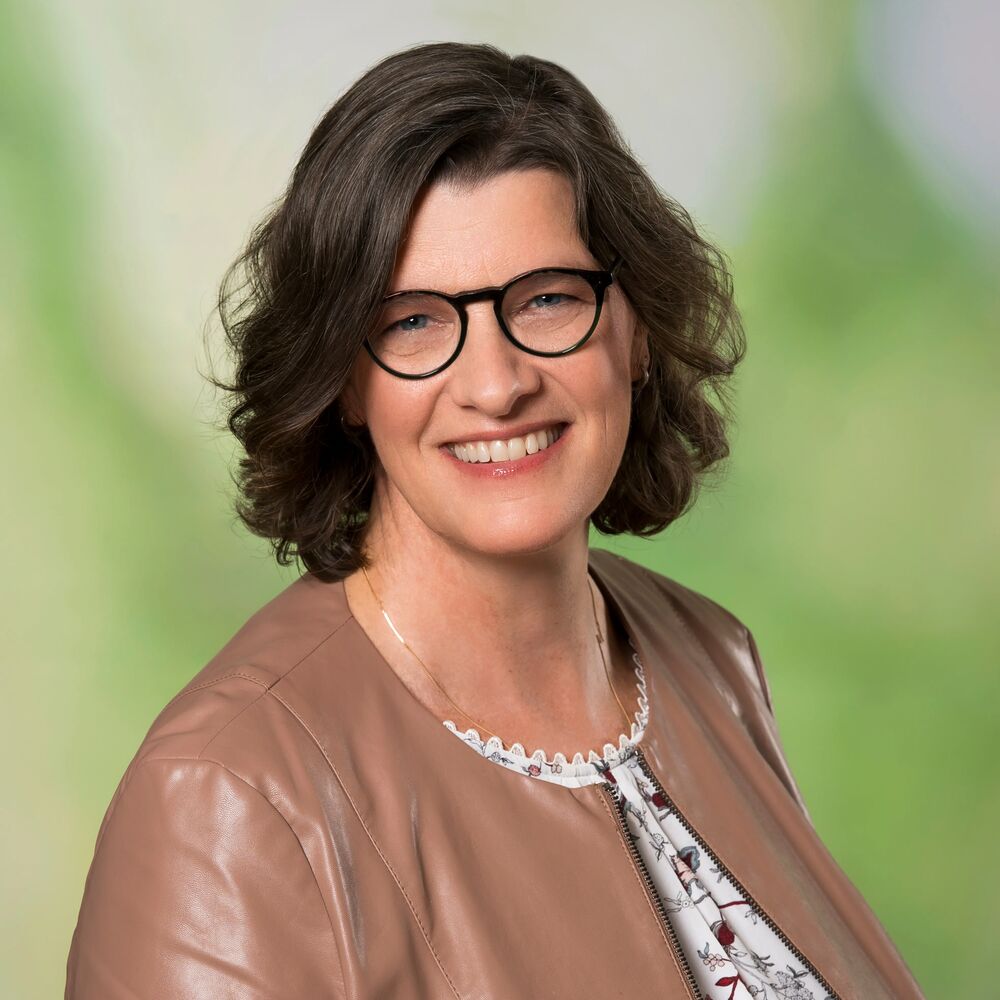
Rachel Verheijen-Tiemstra
Assistant Professor
Rachel Verheijen focuses on inclusive leadership, aimed at value creation and strengthening a learning culture in her research.
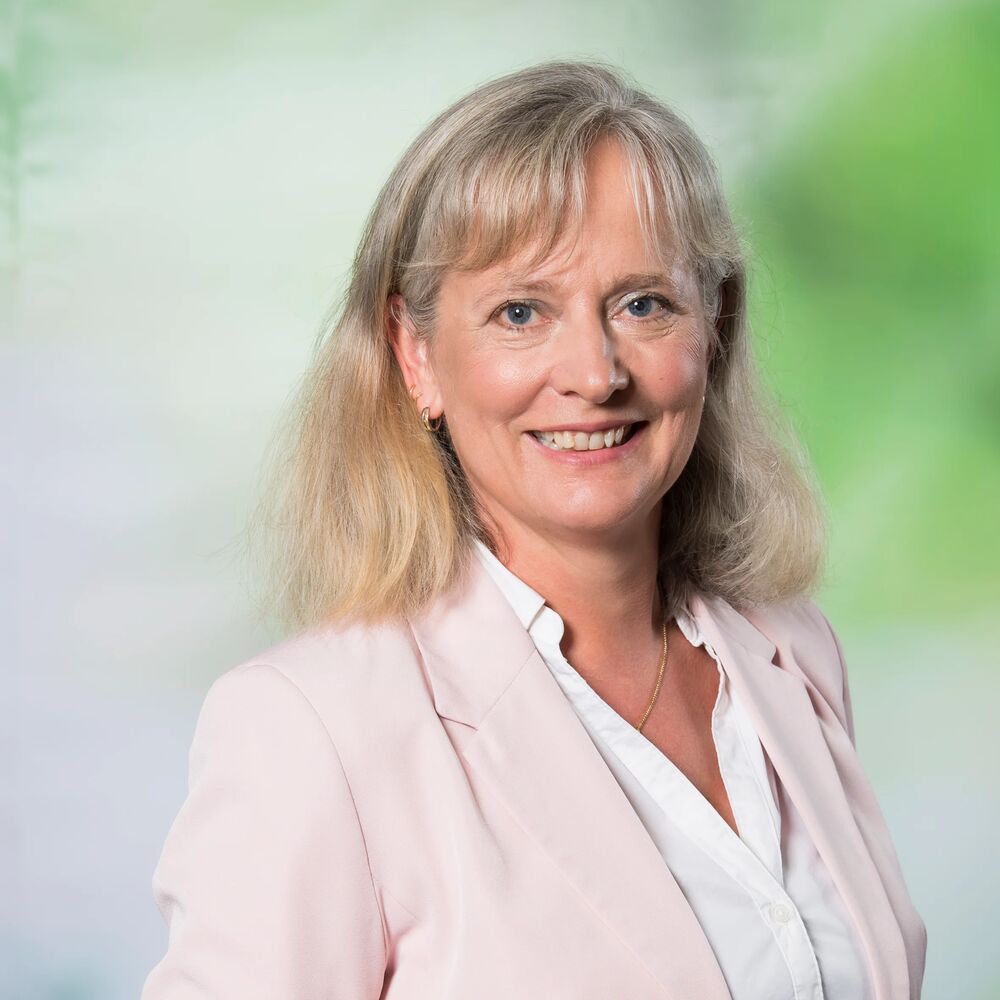
Claudia Gross
Associate professor
Claudia Gross specializes in organizational design and development, with a particular focus on ethical behavior within organizations and how structures, culture, and HR practices contribute to this.
Jörg Raab
Professor
Jörg Raab has extensive experience in social science research in the fields of (temporary) organizations, inter- and intra-organizational relationships and networks.

Sietske Waslander
Professor
Sietske Waslander is the Academic Director of a program specifically for professional members of governing boards in education, and teaches in various TIAS programs.
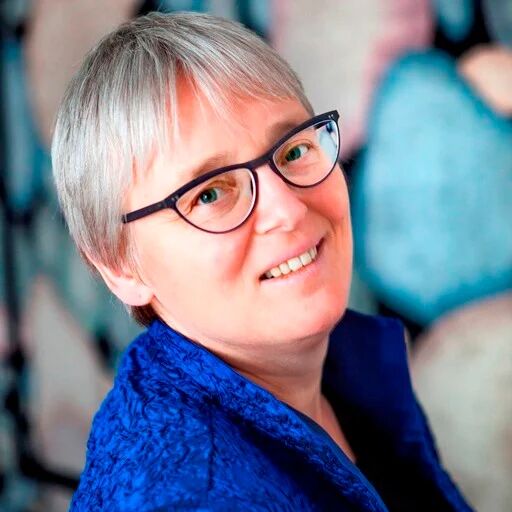
Margriet van der Sluis
Associate Professor
Margriet van der Sluis her research focuses on governance, policy and school boards in secondary education Management in Education (MME) program and and vocational education.
Robert Bood
Lecturer
Robert Bood is managing partner at FairSights and combines transformative strategy formation with scenario thinking, future mapping, and business innovation.

Teachers program
1 / 7
:quality(75))
:quality(75))
:quality(75))
Contact a Program Adviser
:quality(75))