

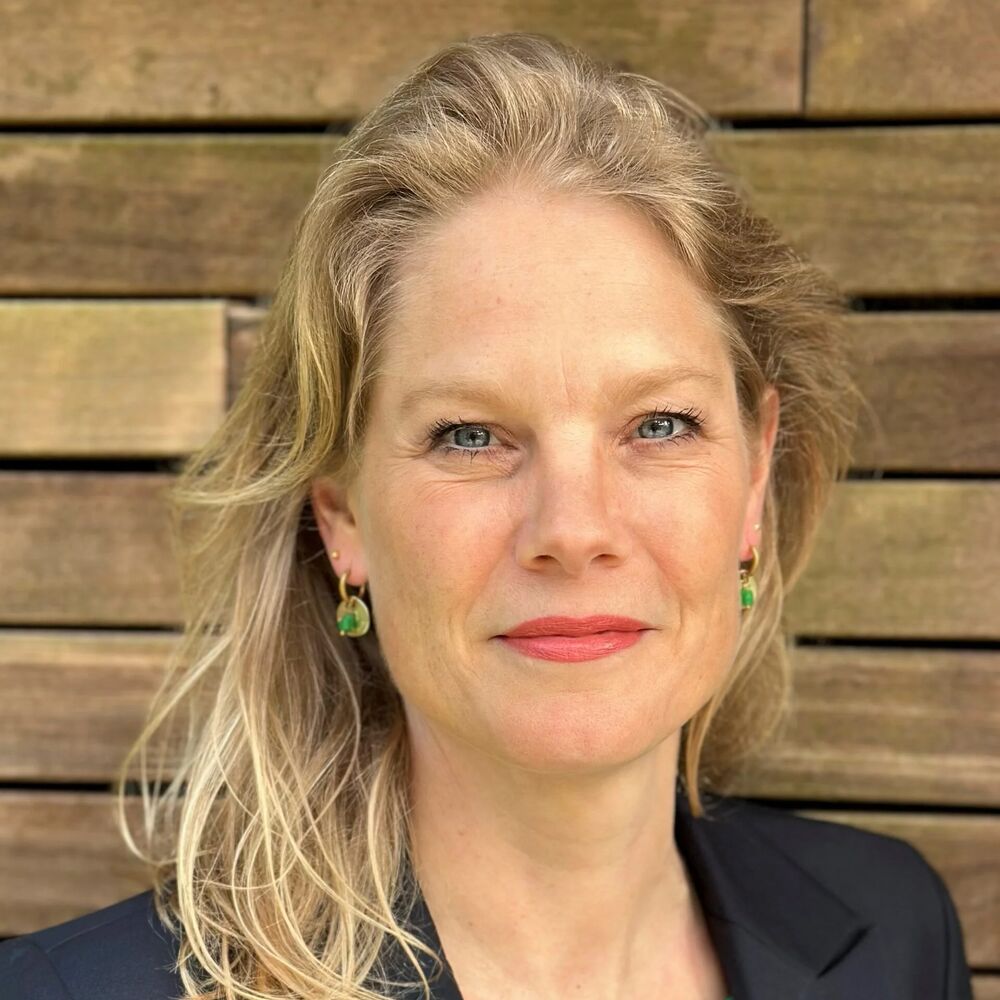
Sietske worked as a radiologist for 7 years before fully dedicating herself to her current work, which focuses on improving conditions for healthcare workers.

|
Menu

AI and Digital Transformation in Healthcare
Healthcare with vision. Transformation with AI
Start date
October 29, 2026, Campus Utrecht
April 19, 2027, Campus Utrecht
Duration
2 x 2 days + project day
Language
Dutch
Costs
€ 5600
CPD points
ABAN
Rankings
TIAS Executive Education is ranked #1 in the Netherlands for participant satisfaction by the Financial Times, with a score of 8.7 out of 10.
Introduction
AI solutions that perform as intended but never become part of everyday practice. Initiatives that stall because processes are fragmented, data is unclear, or direction and leadership are missing. In healthcare, the real question is no longer what AI can do. It is whether your organization can create the conditions for AI to deliver meaningful value to employees, patients and clients, their families and caregivers, and the organization as a whole.
This program helps you answer that question. You learn to approach AI initiatives not as stand alone technology projects, but as organizational challenges that bring together strategy, data, workflows, governance, healthcare professionals, and value for patients and clients. You gain a clear understanding of what it takes to launch digital innovation, integrate it responsibly into practice, and scale it across the organization.
Download the brochure
Want to know more about costs, teachers, content, and dates? We will send the brochure directly by email.
Participant profile
This program is designed for innovation managers, program managers, CMIOs, clinical leaders, and healthcare executives who are responsible for moving AI initiatives forward. You see the potential of AI, but you also know that technology alone is not enough. You want to assess more clearly where an initiative creates value, why it stalls, and which conditions need to be in place before it can succeed.
You do not need a technical background in AI. The program helps you become a more effective catalyst for adoption by combining current research, practical frameworks, and a network of peers working through similar challenges.
Participant functions
Medical specialist | Innovation manager | Director | Senior manager | ICT manager | CMIO or CNIO | Strategic advisorAverage demographics
40 years | 50% men & 50% women

Why this program
Many healthcare organizations treat AI primarily as a way to optimize existing processes, adding a new layer to the way work is already done. Yet successful AI innovation often requires a more fundamental conversation about strategy, leadership, data quality, professional autonomy, process redesign, change management, governance, and scaling.
At the same time, organizations have less and less room to wait. Workforce pressures are forcing healthcare organizations to rethink how work is organized. Employees and patients are already using digital tools, sometimes outside established policies and structures. Without a coherent approach, shadow AI emerges: applications used without governance, strategic direction, or a clear understanding of how they affect care delivery.
This program helps you create that coherent approach. Rather than focusing on one tool, it guides you through the full process of AI transformation in healthcare. You develop a clear understanding of what it takes to make AI innovation responsible, broadly supported, and practical to implement.
What will the program bring you?
You identify what is really holding an initiative back: You learn to assess AI initiatives through six stakeholder lenses, so you can spot missing conditions early and determine which conversations need to happen first.
You turn your own challenge into an actionable plan: Throughout the program, you work on a specific innovation challenge from your organization. During the project day, you translate it into an approach you can put to work right away.
You build momentum for innovation across the organization: The idea is rarely the hardest part. The challenge is creating a path to adoption. You build the skills to create buy in, engage key stakeholders, and turn resistance into momentum.
You learn alongside peers facing similar challenges: Different settings often reveal the same underlying patterns. By examining one another's cases, you uncover insights and possible solutions that would be difficult to reach on your own.
About this program
Central to this program is the question:
“How do I deploy AI and digital transformation to sustainably strengthen my organization and healthcare as a whole?”
In five days - two blocks of two consecutive days and a concluding project day - you will work step by step toward your own answer to that question. For yourself, your organization and the greater whole.
How do we do that?
The development of AI is proceeding at an unprecedented pace. The newest insights are often not yet reflected in scientific publications. Therefore, in this program we combine a solid academic basis with current practical experience.
You will learn from a carefully selected group of experts who are at the forefront of AI and digital transformation. In interactive lectures they do not offer a retrospective of what is already known, but together we explore what is emerging now.
A word from the lecturer
"AI is developing at lightning speed. What is innovative today will be self-evident tomorrow. Healthcare cannot afford to wait and see. While the pressure is increasing - due to staff shortages, aging and complexity - opportunities are also arising: AI can help make care smarter, more personal and more sustainable. But only if we deploy it strategically.
In this program, we challenge you to lead the way. Not to follow what can be done, but to drive what is needed. You don't get an overview of technologies; you develop a vision of what AI should mean for your organization. You'll learn to make sharp choices, bring people along in change, and anchor digital innovation sustainably.
You don't have to be a tech expert to show leadership. But you do need to understand how AI, strategy and organizational development come together. That's why we connect theory to practice and technology to the reality of healthcare transformation. You learn from pioneers inside and outside healthcare - and you work on your own task.
Have you previously taken the TIAS Executive Master of Health Administration (MHA)? Then this is a natural and powerful next step. Because leadership in tomorrow's healthcare requires vision for AI - today."
The experience of Hans van der Waal, CTO at Gelre Hospitals
“As CTO of Gelre Hospitals, I wanted to deepen my understanding of the healthcare sector. My background is primarily in financial services and technology, while healthcare has its own unique dynamics, challenges, and opportunities. I was therefore looking for greater insight into how digitalization and AI can genuinely contribute to better care and future-ready healthcare organizations.
The most important insight for me is that successful digital transformation in healthcare goes far beyond technology alone. The greatest impact is achieved when technology, care processes, healthcare professionals, and leadership work together around a clear vision of value for both patients and the organization.
I particularly valued the combination of inspiring speakers and a highly diverse group of participants. It created meaningful discussions that brought together different perspectives from across the healthcare sector. The balance between theory, real-world examples, and interactive sessions also made the program highly relevant and immediately applicable.
I would absolutely recommend the program. It not only provides valuable, up-to-date insights into AI and digitalization, but also creates an excellent environment for exchanging experiences with professionals from different disciplines. In my view, the program is particularly valuable for leaders and professionals who want to play an active role in shaping the digital future of healthcare.”
Download the brochure
Want to know more about costs, teachers, content, and dates? We will send the brochure directly by email.
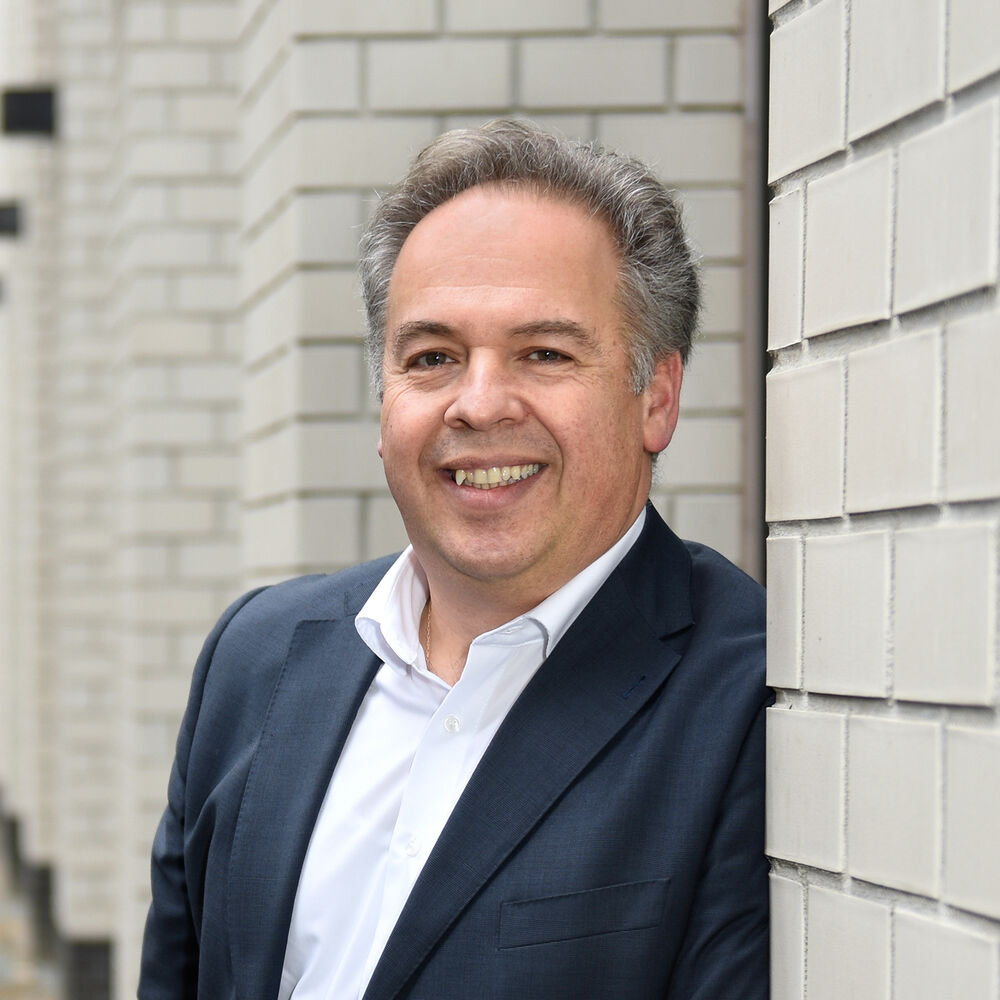
Woody van Olffen
Professor
Woody van Olffen's scientific research has focused on a wide range of organizational topics, such as team composition, organizational commitment, fairness, and location choice.
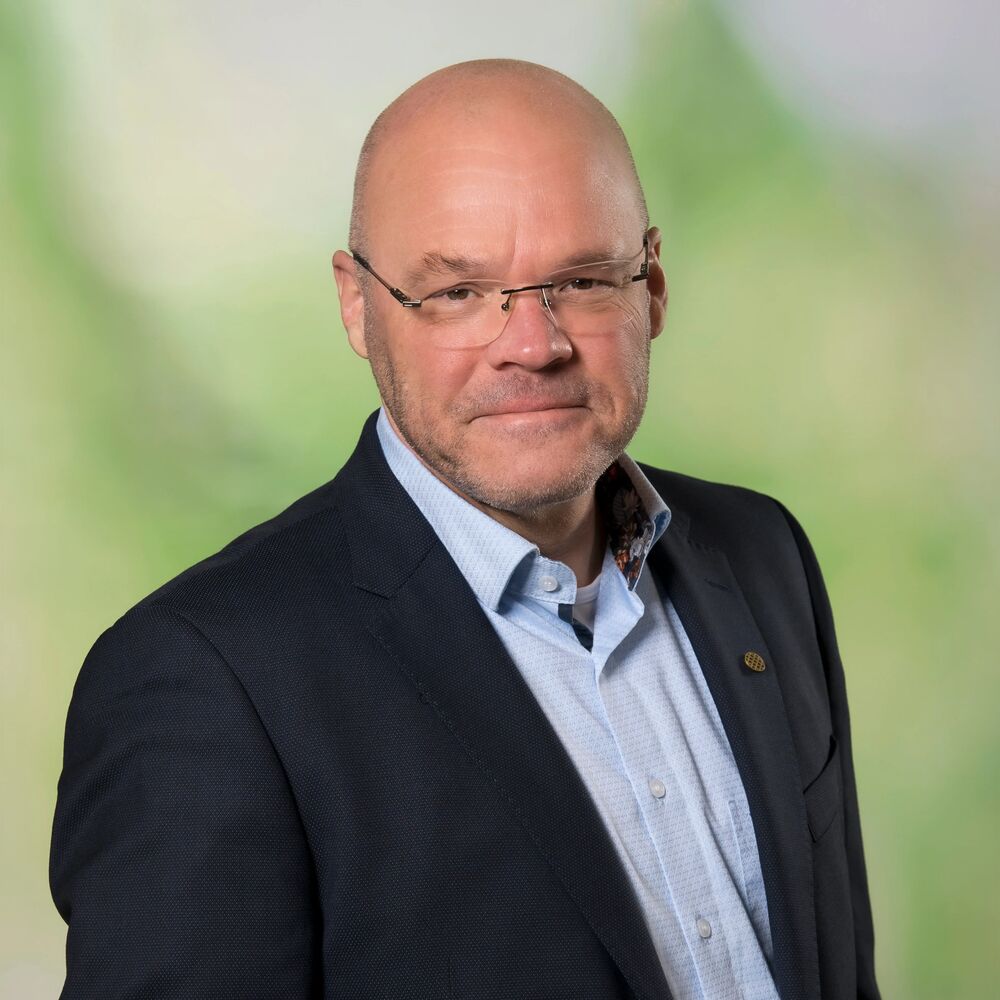
Nicky Hekster
Lecturer
He is an expert in the field of artificial intelligence, particularly in the areas of healthcare and life sciences.

Teachers program
1 / 5
:quality(75))
:quality(75))
:quality(75))
Contact a Program Adviser
:quality(75))