

Associate professor Dr. Bianca Groen is Academic Director of the MSc Controlling program at TIAS. With her interdisciplinary, multi-method research into supportive performance measurement, she is known as a pioneer in the field of management control.

|
Menu

Master Controlling
Expand your career horizons with a Master Controlling (MSc)
Start date
November 5, 2026, Campus Tilburg
April 12, 2027, Campus Tilburg
Duration
18 months (starting in autumn) and 24 months (starting in spring)
Language
Dutch
Costs
€ 33000
Degree
Master of Science (MSc)
Accreditations
- NVAO
- AACSB
- EQUIS
Rankings
The Master Controlling has been ranked as an excellent master's program in the Keuzegids Masters 2026
Fulltime / Parttime
Parttime
Introduction
Many new developments are making the tasks of financial professionals more challenging than ever. Consider, for example, the tension between sustainability and short-term profits, or the need to inform the outside world about more than just financial results. And what about the rise of artificial intelligence, which is increasingly taking over the technical work of accountants and controllers? And the influence of accounting information on employee behavior?
The TIAS Master in Controlling strengthens your knowledge and enables you to grow into a strategic and valued finance business partner. You will learn to think critically and multidisciplinarily and apply this to complex issues within your organization. At the same time, you will develop professionally, with a focus on communication, collaboration, and leadership. This will enable you to formulate substantively strong and theoretically sound advice and communicate it convincingly.
Download the brochure
Want to know more about costs, teachers, content, and dates? We will send the brochure directly by email.
Participant profile
This Master Controlling is designed primarily for young professionals with a Bachelor’s degree in Accounting, Business Economics or Business Administration. Many of these participants’ ultimate aim is to become a Registered Controller (RC) or Chartered Accountant (RA, Registered Accountant). All participants combine their work with their studies.
Participant functions
Assistant controller | Assistant accountant | Financial controller | Business controller | Business analyst | Interim finance professionalAverage demographics
Average age: 33 years | 70% male, 30% female | an average of 5 years of work experience as a financial professional.

Why this program
The Master in Controlling is an interactive, academically grounded yet highly practical program that prepares Controllers to become Finance Business Partners with a strong focus on Business & Society. Participants complete part of the program alongside other business professionals, allowing them to understand each other’s ways of thinking and communicating, and ultimately collaborate more effectively.
The program encourages multidisciplinary and critical thinking, helping you learn how to tackle complex challenges within your organization. During the monthly three-day modules, you and your fellow participants fully immerse yourselves in the coursework. Interactive classes, numerous case studies, guest lectures, and assignments challenge you to immediately apply academic knowledge to real-world practice.
You complete the master’s program with a thesis in which you apply what you’ve learned to a real problem within your own organization or for a client.
What will the program bring you?
You can describe, analyze and audit operating, financial and tax cash flows, and advise responsible experts on these subjects.
You know all the ins and outs of internal and external financial and economic information provision.
You can create an objective analysis of an organization’s performance in relation to its goals and risks, social and otherwise.
You can advise on the procurement and allocation of scarce resources within an organization.
About this program
In the Master Controlling (MSc), you will take seven modules that provide a solid academic foundation. You will also take two modules for further specialization in controlling. You will learn everything about the importance of financial information for organizations. The program encourages multidisciplinary and critical thinking, teaching you how to solve complex issues in your organization. During the monthly meetings, you and the other participants will focus entirely on your studies. The rest of your study time can be organized flexibly, leaving room for work and your personal life.
In addition, there is a strong focus on professional skills and competencies, such as collaboration, presentation, and persuasion. These skills are not offered in separate modules, but are integrated into all content modules. Numerous real-life case studies, presentation assignments, and ethical (professional) dilemmas challenge you to apply your scientific knowledge directly to practice. You will complete the master's program with a thesis in which you apply what you have learned to a real problem within your own organization or at a client.
Download the brochure
Want to know more about costs, teachers, content, and dates? We will send the brochure directly by email.
Modules
Financial Data Analytics
Start: 17 nov. 2026
Financial Reporting & Analysis
Start: 17 dec. 2026
Fiscal Law
Start: 11 jan. 2027
Strategy & Organization
Start: 23 feb. 2027
Management Control
Start: 16 mrt. 2027
Principles of Business Valuation
Start: 1 apr. 2027
Master Thesis
Start: 8 apr. 2027
Marketing & Pricing
Start: 8 jun. 2027
Accounting Information Systems
Start: 2 sep. 2027
Management Accounting
Start: 14 sep. 2027
Corporate Law
Start: To be determined
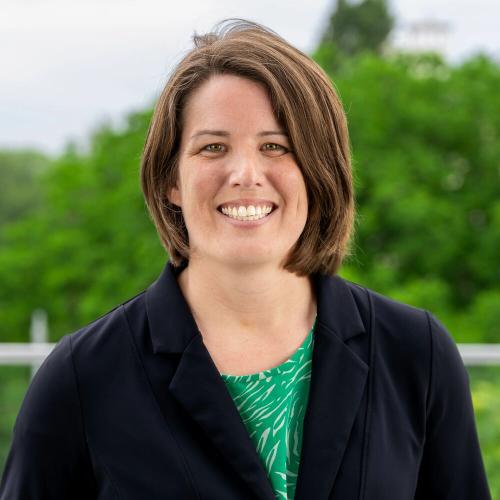
Rob de Velde Harsenhorst
Lecturer
Rob de Velde Harsenhorst teaches Accounting Information Systems & Data Analytics and works as a self-deployed advisor at various organizations in the field of organizing governance.
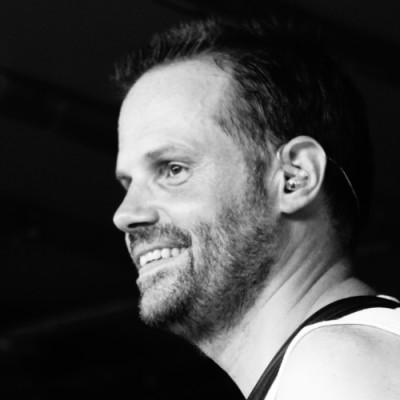
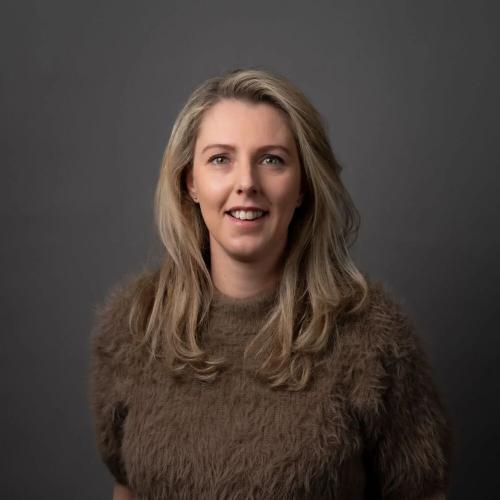
Christof Beuselinck
Assistant Professor
Christof Beuselinck teaches both financial and management accounting and is an expert in research on accounting globalization (IFRS; multinationals).
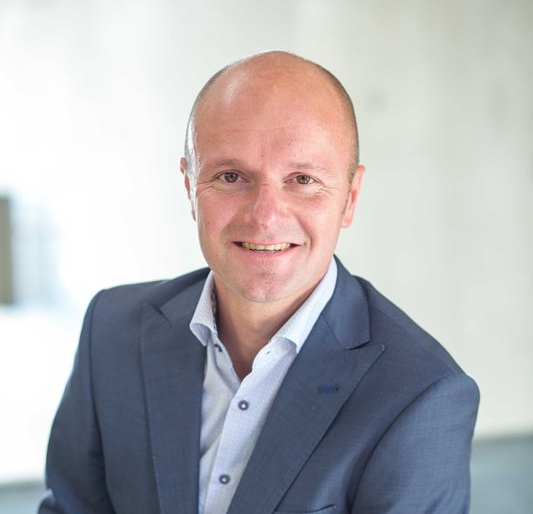
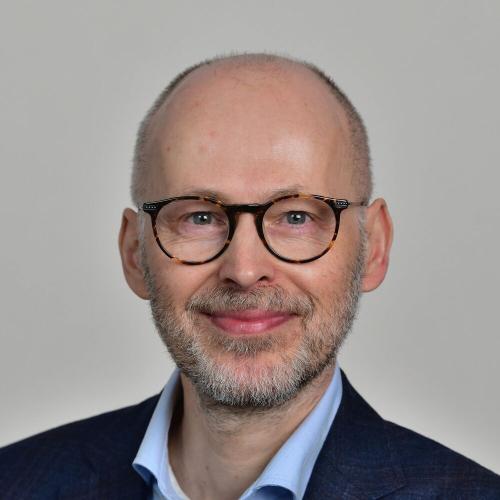
Aswin van Oijen
Associate professor
Aswin van Oijen is an expert in organization and strategy, not only as researcher and educator, but also based on various managerial positions.
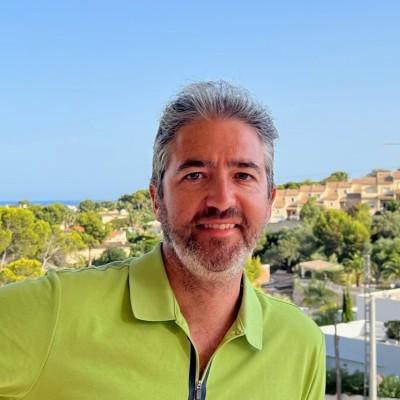
Sten Wahlbrinck
Lecturer
Sten works as a lawyer at MannaertsAppels Advocaten in Tilburg within the corporate law practice group.
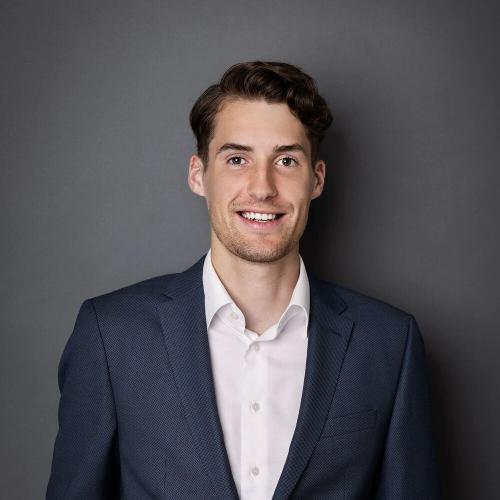
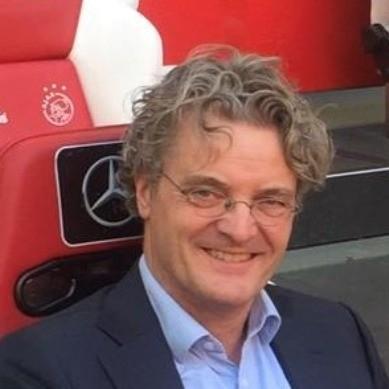
Marcel Wollaert
Lecturer
Dr. Marcel Wollaert is currently working as team lead CE Next at the University of Applied Sciences Amsterdam. At TIAS, he is active as thesis supervisor within the Executive Master of Finance and Control and as core lecturer in the Master Controlling (MSc) program.
Teachers program
1 / 8
Experiences from our participants

"I would recommend the Master’s program. The way of working, the program, and its structure provide added value for any controller looking to improve both their knowledge and soft skills. The Master’s program isn’t solely focused on deepening financial knowledge. It gives you a holistic view of our profession. It’s about ethics, collaboration, and recognizing behavior patterns within organizations to bring your colleagues to a higher level. It’s a combination of scientific knowledge and soft skills. And the higher you move up in an organization, the more you recognize the importance of soft skills, and this program contributes to that. It has given me insights about myself, my way of acting within the organization, and how I can leverage this to get colleagues on board. A valuable addition to my future career, but also to my personal development."
Femke Nijpjes
Business Controller at Hofkens Hig
1 / 1
:quality(75))
:quality(75))
:quality(75))
Contact a Program Adviser
:quality(75))